
Symposium Speakers
Keynote Speaker - Dr. Clint Carroll
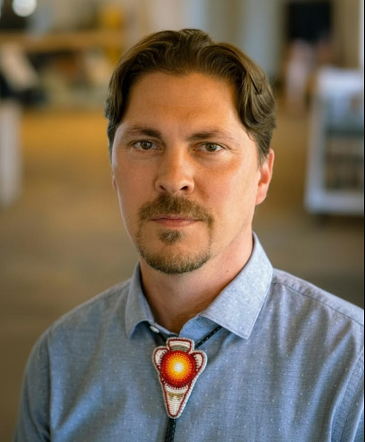
Dr. Clint Carroll is an Associate Professor of Native American and Indigenous Studies in the Department of Ethnic Studies at the University of Colorado Boulder. A citizen of the Cherokee Nation, he received his Ph.D. from the University of California, Berkeley in Environmental Science, Policy, and Management and his B.A. in Anthropology with a minor in American Indian Studies from the University of Arizona.
Since 2004, Carroll has worked with Cherokee Elders, knowledge-keepers, and tribal staff to support Cherokee ecological knowledge and environmental stewardship in Oklahoma. His book Roots of Our Renewal: Ethnobotany and Cherokee Environmental Governance (University of Minnesota Press, 2015) explores Cherokee relationships to land across history. His current research examines Cherokee access to wild plants amid climate change and land fragmentation while developing Indigenous land education and community-based conservation strategies.
Carroll has received fellowships from the Ford Foundation, Udall Foundation, EPA and NSF. He will become Director of CU Boulder’s Center for Native American and Indigenous Studies in July.
A word from our speaker:
As Indigenous people, what does it mean for us to be optimistic in this current moment? How does the perpetuation of land-based knowledge and practices passed down from Elders to youth embody both a necessary act of cultural survival and a political assertion of Indigenous sovereignty? How does tribal land conservation—essential to the resurgence of land-based knowledge and practices—contribute to community health and well-being, as well as uphold our responsibilities to our plant and animal relatives? What are strategies for all the above that draw on distinct ways of expressing Indigenous optimism rooted in ancestral experience, Elder knowledge, and youth perspectives?
This presentation will contemplate these questions through my work with Cherokee Elders, youth, cultural biologists, and natural resource managers over the past two decades toward the resurgence of Cherokee land-based lifeways and the protection of Cherokee lands.